
At a Glance
-
- Diet is supportive care for senior dog anxiety and cognitive decline, not a replacement for a veterinary diagnosis, pain control, or medication when those are needed.
- Skip DIY MCT oil. It is hard to dose well at home, and the amount people try to use often causes GI upset.
- Start with a complete, clinically formulated senior or therapeutic cognitive diet instead of homemade recipes or pantry add-ons.
The Real Role of Diet in Senior Dog Anxiety
When clients ask me about a diet for senior dog anxiety, I try to set realistic expectations right away. Food can be a useful part of the plan, but food does not replace a workup or for primary treatments for pain, arthritis, GI disease, cognitive dysfunction, or other medical problems that can make an older dog seem anxious or unsettled.
The canine microbiome is pretty interesting, and we are still learning how it relates to cognition. But in everyday practice, I see a much more practical piece of this all the time because when we improve gut comfort, the household usually gets calmer too. If a senior dog is straining, passing hard stool, or having accidents in the house, that stress shows up fast, especially at night.
Actually something I see this often in dogs with arthritis. As dogs develop hind-limb arthritis, it becomes difficult for them to squat and fully defecate, especially if the stool is overly hard. The proper amount of fiber can make stool healthier and easier to pass. When that part improves, owners often see less indoor anxiety, fewer accidents, and less pacing. And this is one of those examples that I have discussed before, where a behavior change (like defecating in the house) can be misdiagnosed as cognitive decline but is actually something else.
So, let’s talk about the role of nutrition for senior pets, especially when it supports brain health.
Why Veterinarians Say “Skip the DIY MCT Oil”
Let’s talk about MCT oil, because this is where the internet tends to oversimplify things.
The most common sources people reach for are coconut oil and palm oil. The problem is that the amount of MCT oil in those sources is fairly low, so it can take a lot of oil to get to a level that might actually do something. Giving that much oil can cause severe GI upset, diarrhea, and even pancreatitis. That is why I do not recommend that owners add standalone MCT oil at home.
This is also an area where form and research matter. A lot of the research on MCT oil in dogs for cognitive health has been done on foods that contain the oil, not on the oils themselves. For this particular nutrient, it is absolutely critical to do it in food form, not as a guesswork supplement poured over dinner.
What to Feed Dogs Instead: Building a Supportive Bowl
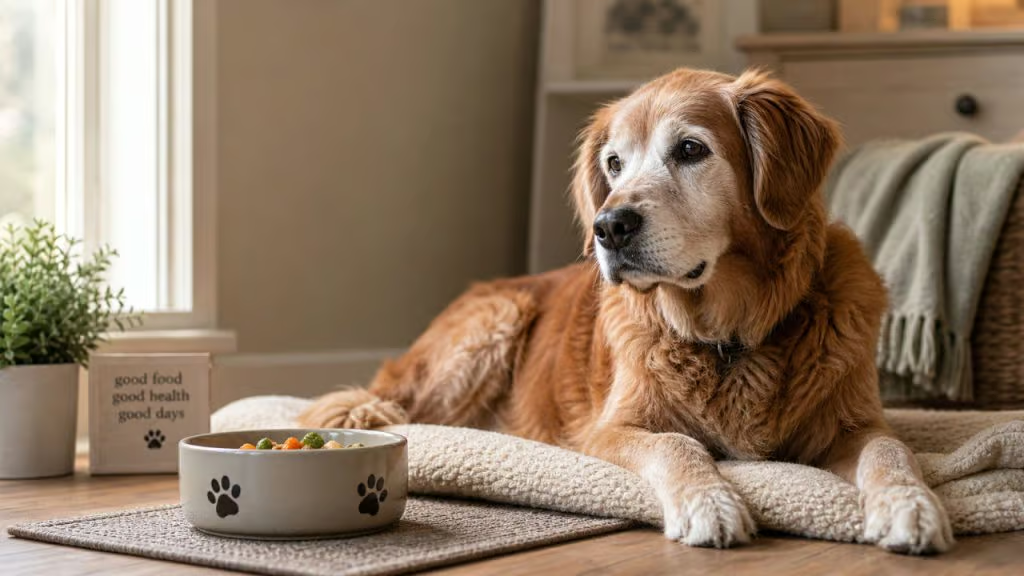
Commercial Cognitive & Senior Diets
What I prefer is a complete diet that was built for this job. If a dog is just starting to show age-related changes, I will often start with a senior diet conversation. Purina Pro Plan Bright Mind or Science Diet Senior Vitality are two over-the-counter examples marketed for senior dogs. Specifically, Purina says it promotes alertness and mental sharpness with a nutrient blend that includes DHA, EPA, antioxidants, B vitamins, and arginine.
For dogs with a diagnosis of cognitive dysfunction, I am more likely to discuss a therapeutic option. Purina Pro Plan Veterinary Diets NC NeuroCare includes MCT oil within a complete food and is formulated with arginine, EPA and DHA, antioxidants, and B vitamins to support cognitive health. Hill’s Prescription Diet Cognitive + Mobility is another therapeutic example formulated for dogs with cognitive dysfunction and compromised mobility, with antioxidant and omega-3 support including DHA.
I have had a number of dogs do well on food as part of a multimodal plan. It can be hard to point to one dramatic case because what we often see is an additive benefit: improved activity and energy, better eating enthusiasm, and changes in cognitive-based behaviors. What is really important for owners to understand is that diets take time. Sometimes it takes many weeks to months to see the actual benefit, which is why I think of them as part of a suite of products for cognitive decline, not a quick fix.
One of the nice things about these diets is that I do not have to wait until a dog is deeply affected before I talk about them. They make sense either before or at the first sign of cognitive change, which is exactly when I like to start planning instead of scrambling. When it comes to brain health, being proactive is absolutely the right strategy.
Managing Protein and GI Load
I do not recommend drastic protein swaps just because a dog is getting older. Senior diets still need to be balanced and appropriate for the individual pet, and part of that is avoiding the mistake of overloading an aging dog with excessive protein just because a trend online says more is always better.
In practice, I want a bowl that is complete, digestible, and steady. Senior dogs do better when we stop chasing single nutrients and start paying attention to the total diet, the stool quality, the appetite, the body condition, and the medical history in front of us.
Enticing the Picky Eater
I am actually fine with toppers, and I even encourage them. Most senior dogs respond to smell more than anything else, so a highly scented canned food or a fresh-food topper can help stimulate appetite through those sensory pathways.
The biggest caveat is whether the dog is on a special diet for a diagnosed condition. If that is the case, it is best to speak with your veterinarian about which toppers fit safely with that plan. The goal is to make the food more appealing without compromising the core nutritional balance that made us choose that diet in the first place.
The “Do Not Do” List for Senior Dog Nutrition
-
- Do not rely on home-cooked diets from the internet for a senior dog with anxiety or cognitive decline. A UC Davis review of 200 homemade dog diet recipes found that 95 percent lacked at least one essential nutrient, and more than 83 percent had multiple deficiencies.
- Do not assume single ingredients fix CCD. Not MCT oil, not coconut oil, and not one supplement added to an otherwise unbalanced plan.
- Do not delay a full veterinary exam because you want to see whether food alone helps. If an older dog has new pacing, soiling, confusion, appetite changes, or nighttime restlessness, I want to know why.
And for the exhausted owner who feels tempted to cook because it sounds healthier, I think the important part is understanding the motivation. All of us want to believe we are doing the best thing for our pets. In this case, though, the evidence leans very strongly toward a commercial pet food being the right option. The good news is that owners have more choices now than just traditional kibble, so we can often find a format that feels more doable.
Tactical Checklist: Is It Time to Discuss a Diet Change?
Use this four-point guide:
-
-
- If your dog is eating well but showing early cognitive changes, ask about an age-targeted senior diet.
- If your dog has new pacing, house-soiling, nighttime restlessness, or confusion, ask whether a therapeutic cognitive diet is more appropriate.
- If your dog has diarrhea, hard stools, straining, or messy bowel habits, prioritize fiber and GI support first, because hidden bowel discomfort can fuel stress inside the home.
- If you are overwhelmed and cooking at home because it feels healthier, switch the conversation to a trusted commercial option that is complete and clinically formulated.
-
The Natural Care Loop: Diet, Supplements, and Remedies
I think of diet as the foundation. It does not do every job, but it makes the rest of the plan work better around it.
That is where the broader care loop matters. A stable, complete diet pairs well with supporting cognitive function with supplements and with natural remedies for senior dog anxiety. For the bigger picture, I also want owners to read Understanding Senior Dog Anxiety, because diet works best when it is connected to diagnosis, environment, routine, and pain management.
The Vet Conversation Guide
Bring these questions to your next appointment:
-
- Would my dog benefit more from an over-the-counter senior diet like Bright Mind, or a therapeutic cognitive diet like NeuroCare?
- Are there medical reasons my dog should avoid extra fats or unmeasured products like MCT oil?
- Could hidden GI discomfort or difficult stools be contributing to my dog’s nighttime restlessness?
Pawtology Medical Disclaimer:
This article is for educational purposes only and does not replace a veterinary exam, diagnosis, or individualized treatment plan.
By Dr. Stacey Bone, DVM